PIT STOP PROS
24/7 Rapid Dispatch
07742 267322
Safe, non-destructive extraction of overtightened, corroded, or damaged locking wheel nuts without damaging your alloys.
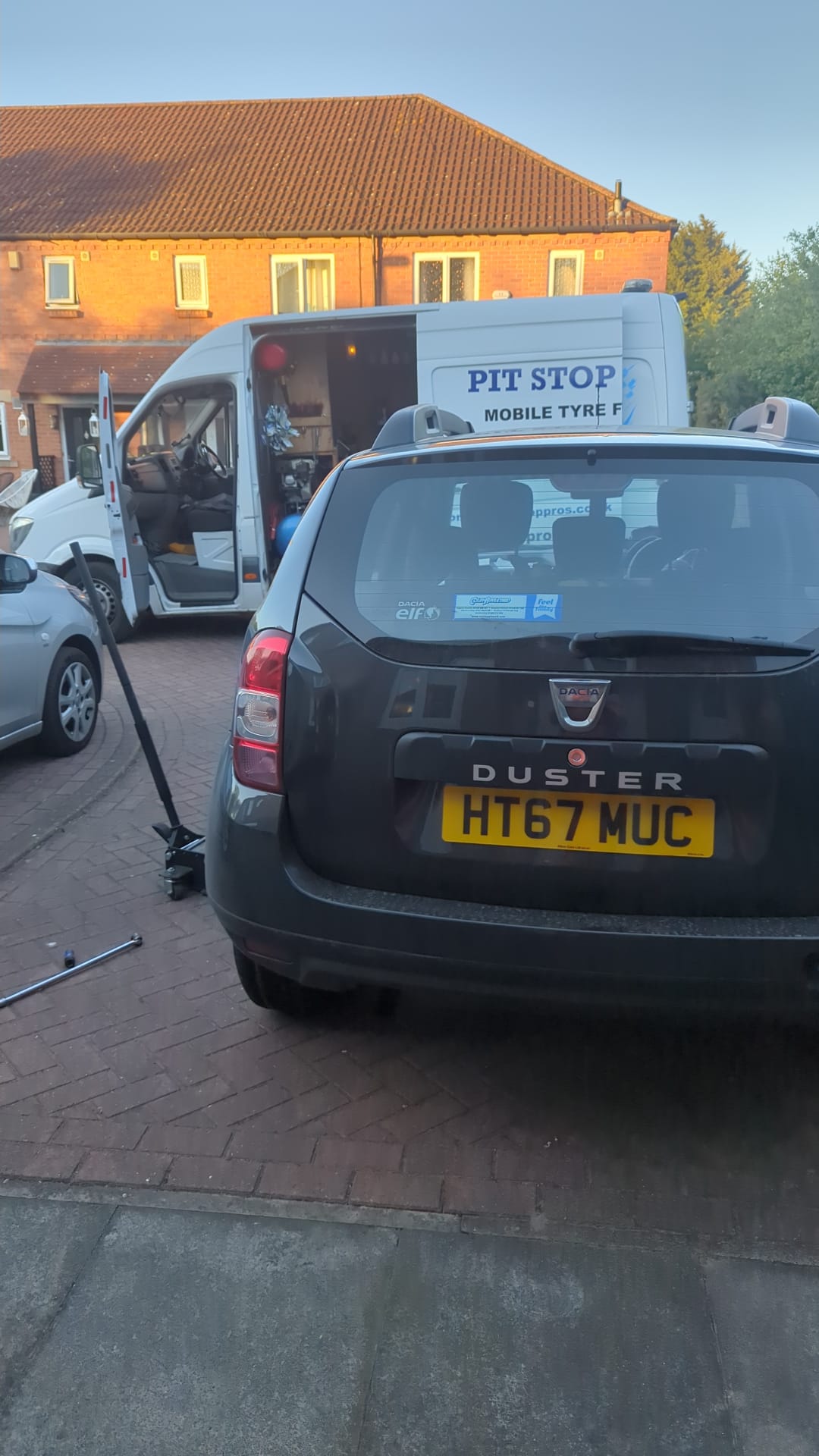
Locking wheel nuts are excellent for securing your expensive alloys, but they become a major headache if you lose the security socket key or if the pattern becomes rounded off and stripped. Trying to force them off using basic garage tools, hammers, or drills often leads to permanent, expensive damage to your alloy wheels.
At Pit Stop Pros, we carry specialized extraction systems on all our mobile vans. Our technicians use professional shroud-protected extractors and reverse-threaded socket tools that lock tightly onto the cylindrical outer shank of the nut, allowing us to unscrew it cleanly. We operate with a success rate of over 98% on all vehicle makes, including Jaguar, Land Rover, BMW, Audi, Ford, and Vauxhall.
We prioritize preserving the visual and structural integrity of your alloy wheels. When you hire us for a locking nut removal, we ensure:
We identify the brand of locking nut (e.g. flower shape, spline-based, or McGard outer collar) and check the level of previous damage.
We select the matching shroud-extractor socket size and securely hammer it onto the nut shank, avoiding contact with the alloy wheel.
Using high-torque breaker bars, we turn the reverse-thread extractor, gripping the lock nut tightly and backing it out safely.
Locking wheel nuts fail or bind for a few common reasons:
1. Air Impact Gun Damage: Tire depots often use pneumatic impact guns to tighten locking wheel nuts. High vibrations distort the key pattern and over-torque the bolt. Locking nuts should always be torqued by hand using a torque wrench.
2. Thread Corrosion: Water and road salt seep into the wheel threads over time, causing rust. Without anti-seize paste, they seize completely.
3. Key Slippage: If the key is not fully pressed into the pattern when turning, it slips under high torque, shearing off the pins or pattern ridges.
Yes. If another mechanic or garage has attempted removal and sheared the top off or completely rounded the pattern, our extraction sockets can still lock onto the remaining bolt shank to back it out safely.
Once we remove a locking wheel nut, that bolt cannot be re-used. We recommend purchasing a replacement standard bolt or a new set of locking wheel nuts. We can fit any replacement bolts you have on-site during the process.
If the locking nut is untouched and in normal condition, extraction takes about 5 to 10 minutes per wheel. If the nut is heavily damaged, has had welds attempted on it, or has been drilled, it may take 20 to 30 minutes per wheel.
Fill out this form to request locking wheel nut removal. We will call you back to confirm pricing and dispatch a technician to your location.
108 Foundry Ave, Leeds LS8 3LU, United Kingdom